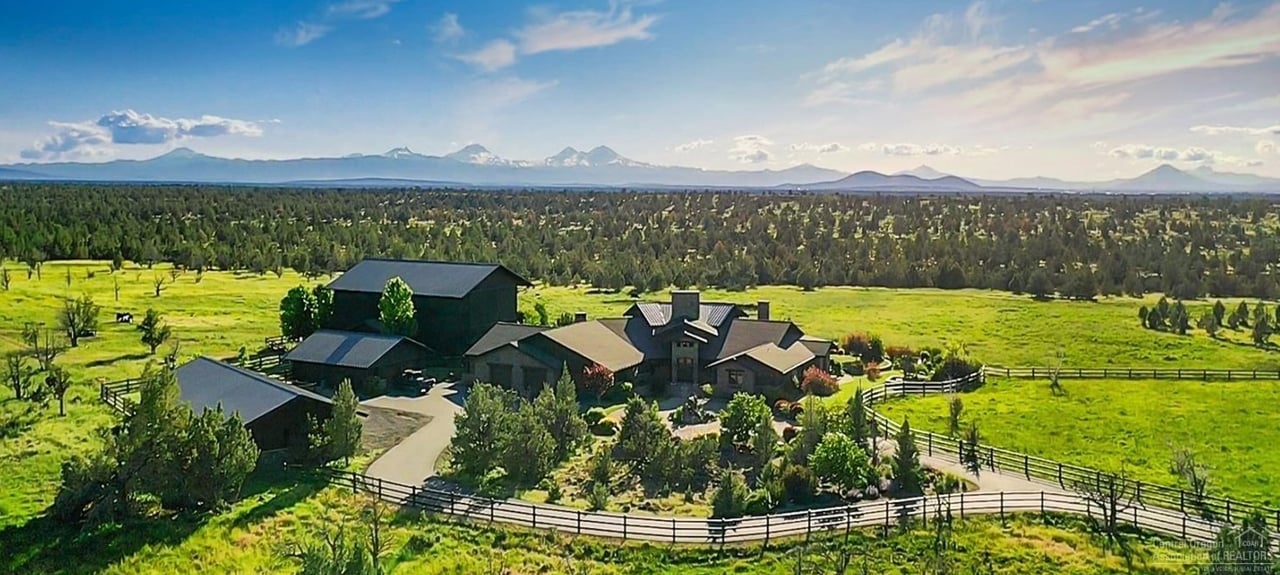
If you’ve lived in Central Oregon long enough, you know winter usually makes a statement. Snow-packed mornings, frosty nights, and a steady hum of plows and powder days are the norm. But this year? Winter has been surprisingly polite. Mild temperatures, limited snowfall, and plenty of dry days have many locals asking the same question: will winter ever show up?
For everyday life, a mellow winter has its perks—easier commutes, lower heating bills, and more opportunities to enjoy the outdoors without full arctic gear. But the impacts ripple beyond convenience, especially when it comes to our mountain economy. Ski resorts like Mt. Bachelor depend on consistent snowfall to build a solid base. While snowmaking helps, extended warm and dry stretches can shorten seasons, limit terrain, and affect local businesses that rely on winter tourism.
Looking further ahead, a mild winter can raise bigger questions for summer and fall. Reduced snowpack often means drier forests and lower moisture levels later in the year—conditions that can increase wildfire risk if spring rains don’t make up the difference. Fire season is never determined by one factor alone, but winter snowfall plays a key role in setting the stage.
For now, Central Oregon sits in a familiar state of cautious optimism: enjoying the ease of a gentle winter while keeping one eye on the forecast. Whether winter makes a late entrance or quietly slips into spring, its absence is already shaping conversations—from the ski slopes to wildfire preparedness.