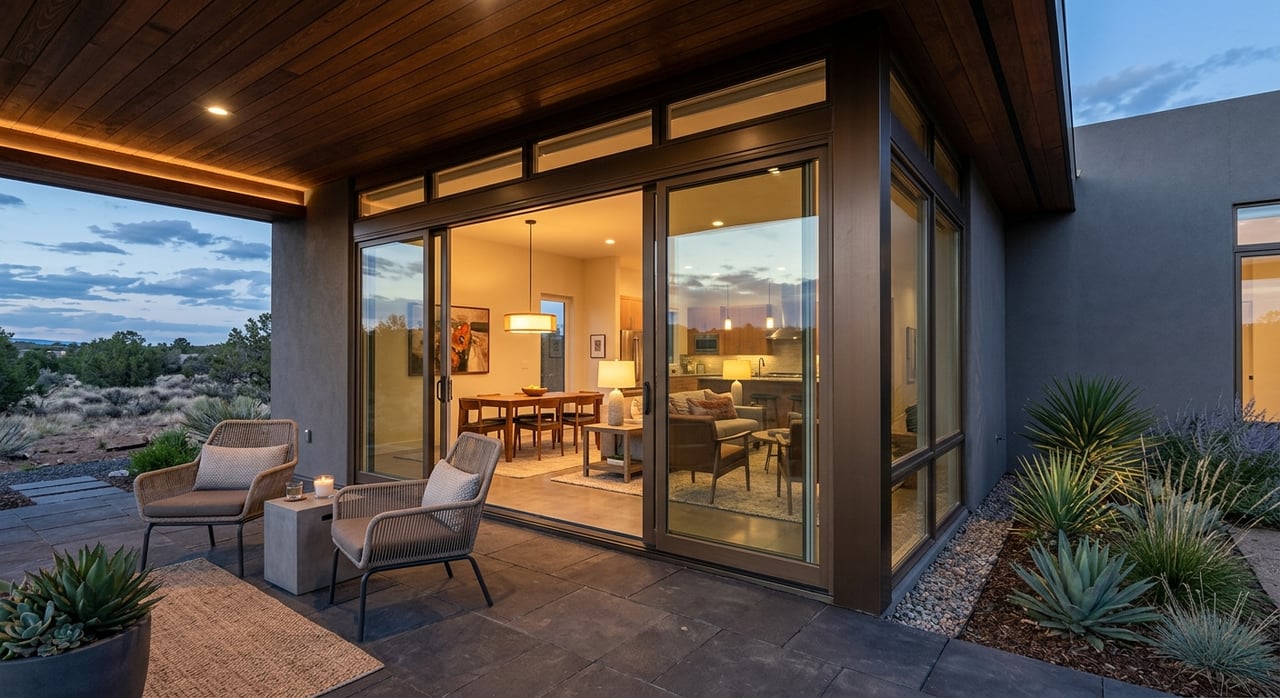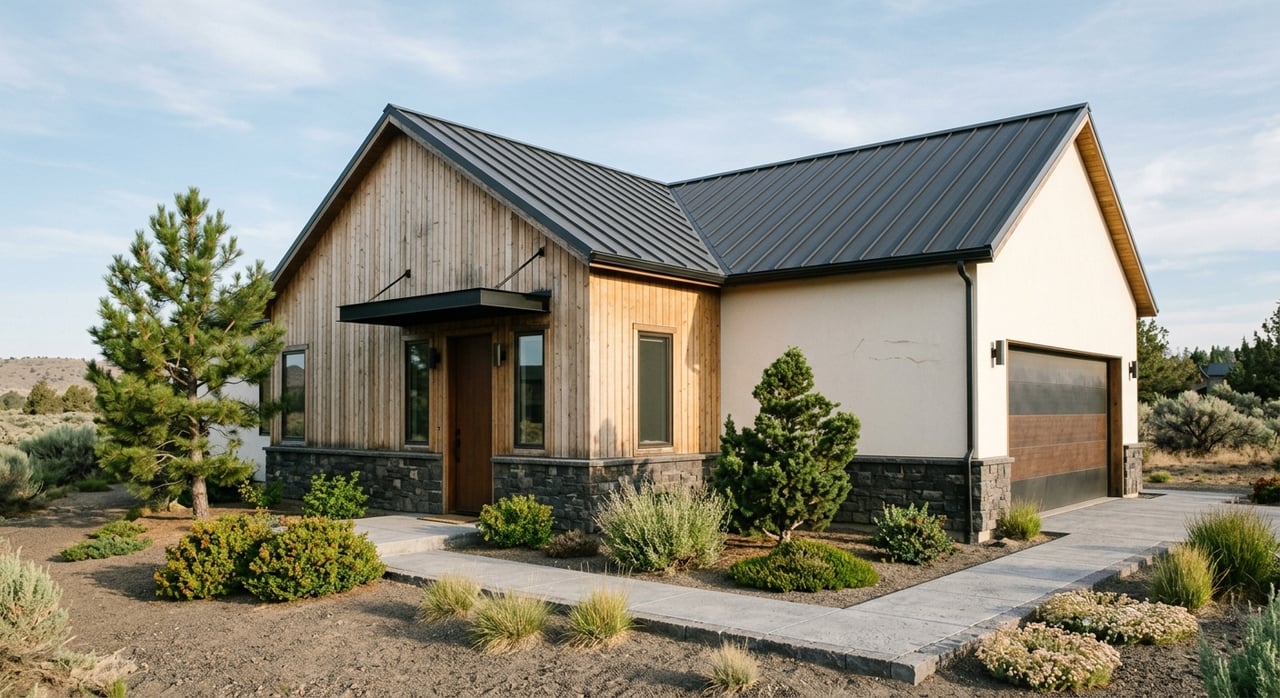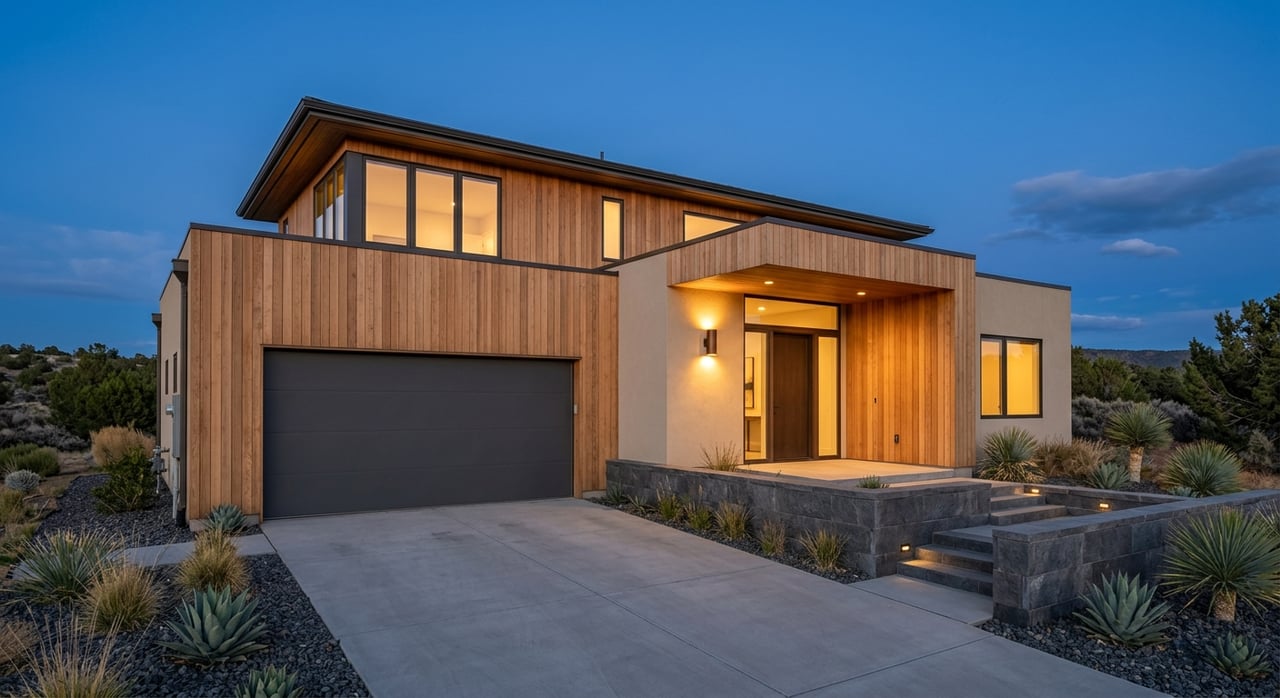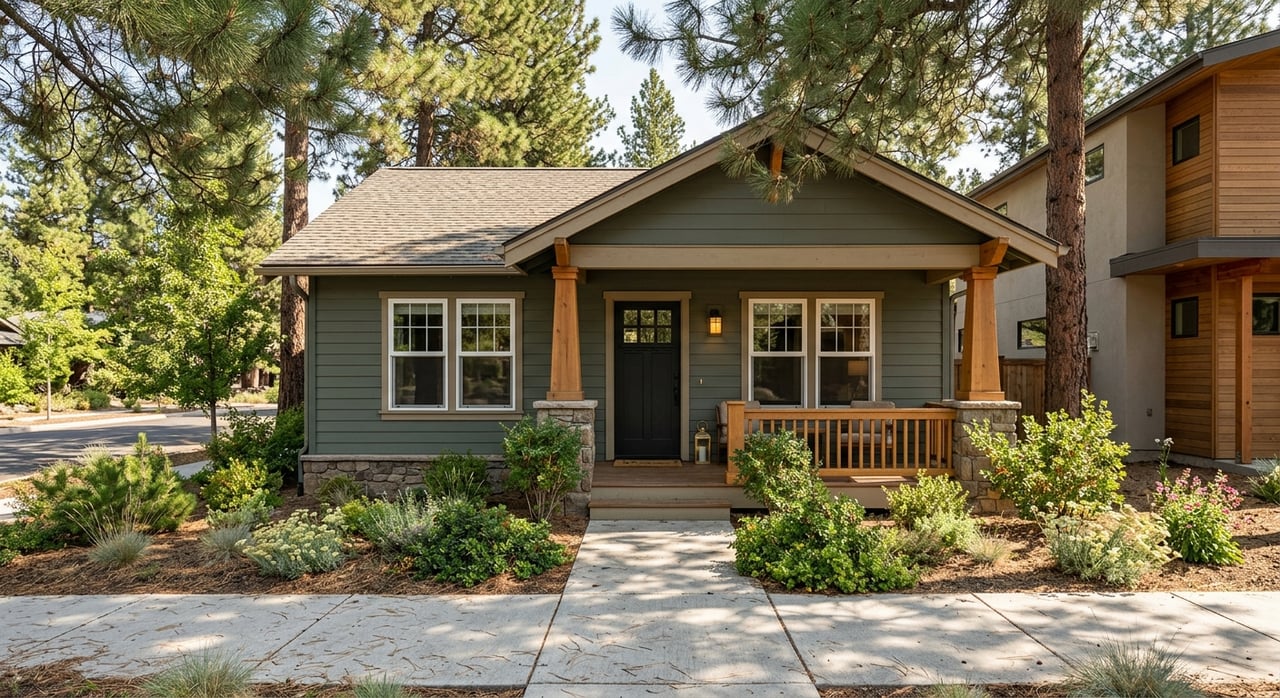
Thinking about Redmond, but not sure how the city’s neighborhoods actually differ once you get past the map? That’s a common challenge, especially if you are trying to balance home style, lot size, trails, shopping, and how much driving your day might require. The good news is that Redmond’s layout starts to make a lot more sense when you look at how the city has planned its growth. Let’s dive in.
How Redmond’s growth is organized
Redmond is not best understood as one uniform housing market. The city uses planning tools like its interactive city map, subdivision map, and West Redmond Area Plan map to guide how different parts of town grow and change.
Since the 2006 urban growth boundary expansion, Redmond has relied on area plans such as the Northwest Area Plan, Highway Area Plan, and Southwest Area Plan. These plans help shape land use, housing density, neighborhood amenities, and public facilities. For you as a buyer, that means one part of Redmond may feel very different from another, even within the same city limits.
In-town Redmond offers convenience and connection
If you want to be closer to established amenities, in-town Redmond deserves a close look. Areas around downtown, Dry Canyon, and the canyon rim often appeal to buyers who want parks, trails, shopping, and daily errands within easier reach.
Downtown Redmond has seen public investment since 1995, including streetscapes, highway relocation, a city center park, utility work, and façade improvements. Current downtown efforts are focused on retail, entertainment, job creation, and housing, which helps explain why this part of town continues to draw attention.
The Chamber and CVB describe downtown shopping as a mix of boutiques, antiques, and small-service retail, while larger box retail sits outside the downtown core. If your ideal weekend includes grabbing coffee, strolling local shops, and staying plugged into the center of town, this area may fit your routine well.
Dry Canyon is a major recreation anchor
One of Redmond’s standout features is the Dry Canyon Park system. It runs 3.7 miles through the center of the city and includes a dog park, tennis courts, pickleball, softball, and paved trails.
That kind of access can shape your day-to-day lifestyle in a real way. If you like morning walks, after-work bike rides, or easy outdoor time close to home, being near the canyon corridor may move up your list.
Trails connect more than recreation
The Homestead Canal Trail adds another layer to how in-town living functions. This 5.3-mile connector is intended to link neighborhoods to job centers, shopping areas, the regional transit hub, medical facilities, and downtown’s commercial core.
That matters because neighborhood convenience is not just about what sits on your block. It is also about how easily you can move between home, errands, recreation, and work.
Canyon-rim homes come with distinct rules
If you are drawn to canyon views or rim-fronting properties, it helps to know that these homes can fall under tighter development standards. The city applies stricter height and setback rules along the canyon rim.
Rim-fronting lots also must be at least 9,000 square feet. For some buyers, that means more space and a specific setting. For others, it may mean a more limited pool of properties that meet their budget or design goals.
Newer developments show Redmond’s changing housing mix
If you are looking for newer construction, lower-maintenance options, or more variety in home type, Redmond’s newer edge neighborhoods are worth watching. Recent city code changes since 2020 expanded plexes, townhomes, and cottage clusters in all residential zones.
In plain terms, Redmond is making room for more housing formats than the traditional single-family pattern alone. That can create more options whether you want a detached home, a townhome, or a smaller-footprint property with less yard work.
Southwest and West Redmond are key growth areas
The Southwest Area Plan gives a helpful snapshot of where newer neighborhood growth is heading. Around Ridgeview High School, about 31.95 acres were reserved for parks, trails, and natural areas, including three neighborhood parks and one community park.
That planned open space can be a big plus if you want a newer home without giving up access to outdoor areas. It also shows that some newer neighborhoods are being designed with shared amenities in mind, not just rooftops and roads.
The still-developing West Redmond Area Plan covers about 440 acres between 35th Street, NW Hemlock Avenue, Helmholtz Way, and SW Obsidian Avenue. The city describes this area as a prospective west-entrance neighborhood, commercial, and mixed-use center, which suggests a longer-term blend of housing and daily services.
Examples of newer Redmond projects
If you are touring newer parts of Redmond, these projects help illustrate what current development looks like:
- Obsidian Trails is planned for up to 114 detached dwellings, 48 apartments, 25 cottage units, and about 3.1 acres of mixed-use or commercial land.
- Cottages on Helmholtz is an 89-unit multifamily project on 7.52 acres with open space, landscaping, and private yard areas.
- Northpoint Vista is a 40-acre, 450-unit mixed-income neighborhood with commercial services, walking paths, and open-space park areas.
- Dry Canyon Village documents show 505 residential units, a 3.6-acre neighborhood park, a 1.25-acre park and clubhouse area, and smaller-lot housing options.
Taken together, these projects reflect a city that is adding more housing variety while also planning for open space, paths, and neighborhood services. That can be appealing if you want newer infrastructure and a more flexible range of home styles.
Lot sizes may look different than older neighborhoods
One of the biggest practical differences in newer developments is lot size. Dry Canyon Village documents show townhome lots as small as 1,500 square feet, with the smallest proposed single-family lot at 4,888 square feet.
That does not automatically make a neighborhood better or worse. It simply changes the lifestyle equation. Smaller lots may mean less exterior maintenance, while larger lots may offer more elbow room, storage potential, or outdoor-use flexibility.
What to compare when touring Redmond neighborhoods
When you tour homes in Redmond, it helps to compare more than the house itself. Some of the most useful side-by-side factors are lot size, housing form, and how much of daily life can happen without a car.
Downtown and the Dry Canyon corridor tend to concentrate shopping, trails, and parks. Newer edge neighborhoods often offer newer infrastructure, planned open space, and a broader mix of housing types.
Here are a few smart questions to keep in mind as you compare areas:
- How much yard do you actually want to maintain?
- Do you prefer an established in-town setting or a newer planned neighborhood?
- Would nearby trails, parks, or open space change how you use your time each week?
- Do you want detached housing only, or are townhomes, cottages, or multifamily options also worth considering?
- How important is it to be closer to shopping, medical services, downtown, or job centers?
A simple way to narrow your search
If Redmond feels broad at first, try sorting neighborhoods into two buckets. The first is in-town convenience, which includes areas tied more closely to downtown, Dry Canyon, and established amenities. The second is newer planned growth, which includes areas where mixed housing, open space, and future neighborhood services are a bigger part of the story.
From there, your search gets clearer. You are no longer asking, “Do I like Redmond?” You are asking, “Which version of Redmond fits the way I want to live?”
Why local guidance matters in Redmond
Because Redmond is shaped by subareas, plans, and evolving developments, two homes with similar square footage can offer very different daily experiences. One may put you close to trails and downtown activity, while another may offer newer construction, a smaller lot, and a different neighborhood layout.
That is where calm, local guidance can save you time. When you understand how planning, lot sizes, housing types, and amenities intersect, you can focus on the neighborhoods that match your priorities instead of touring everything and hoping it clicks.
If you want help narrowing down Redmond neighborhoods or comparing newer developments with in-town options, Ninebark Real Estate is here to help you make a clear, confident move.
FAQs
What makes Redmond neighborhoods feel different from each other?
- Redmond’s residential layout is shaped by area plans and planned subareas, so neighborhoods can vary based on housing density, lot size, amenities, and access to parks, trails, shopping, and services.
What is the Dry Canyon area like in Redmond?
- The Dry Canyon Park system runs 3.7 miles through central Redmond and includes paved trails, a dog park, tennis, pickleball, and softball, making it a major recreation feature for nearby neighborhoods.
What should buyers know about canyon-rim homes in Redmond?
- Canyon-rim properties may be subject to stricter city height and setback rules, and rim-fronting lots must be at least 9,000 square feet.
What types of homes are showing up in newer Redmond developments?
- Recent planning and code changes support a broader housing mix, including detached homes, townhomes, plexes, cottage clusters, apartments, and multifamily projects.
What is planned for West Redmond development?
- The West Redmond Area Plan covers about 440 acres and is envisioned as a prospective west-entrance neighborhood, commercial, and mixed-use center.
How can you compare in-town Redmond with newer edge neighborhoods?
- A useful comparison is to look at lot size, housing form, and how easily you can reach trails, parks, shopping, medical services, downtown, and job centers as part of daily life.