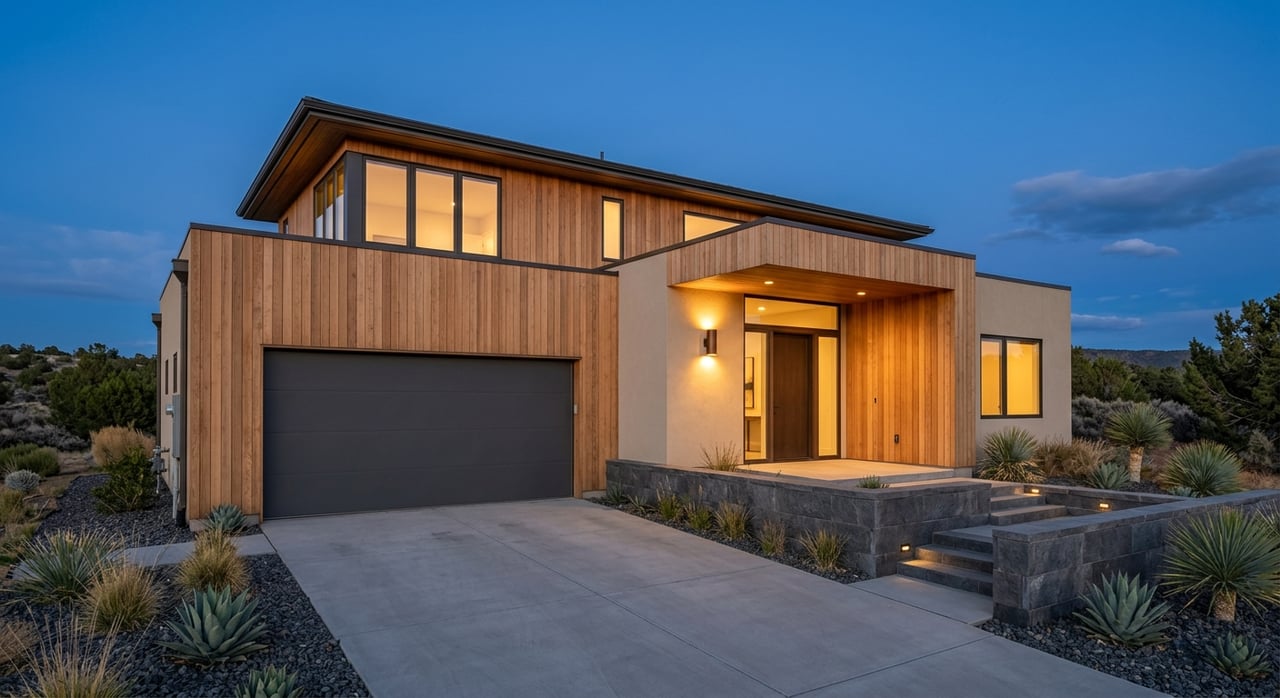
Trying to choose between Redmond and Bend? You are not alone. Many Central Oregon buyers end up weighing the same question: do you want the larger, amenity-rich hub, or the smaller city with a lower price point and easier airport access? The good news is that this is not about picking a “better” place. It is about finding the home base that fits your budget, routine, and long-term goals. Let’s dive in.
Redmond vs. Bend at a glance
The simplest way to frame this decision is by tradeoffs.
Bend is the larger city, with an estimated population of 106,926 in July 2024, while Redmond was estimated at 37,626, according to the U.S. Census Bureau. Bend also describes itself as a major commercial, recreational, social, and innovation center for Central Oregon. Redmond, by comparison, feels more compact and functions as a smaller regional hub.
That difference shows up in daily life. Bend offers a broader amenity base and more urban convenience. Redmond tends to appeal to buyers who want a simpler footprint, more breathing room in their budget, and practical access to the rest of the region.
Home prices and cost differences
For many buyers, price is where the conversation starts.
The 2020 to 2024 ACS estimates for Redmond put the median value of owner-occupied homes at $462,500. In Bend, the Census Bureau reports a median owner-occupied home value of $718,400. That is a significant gap, and it helps explain why Redmond is often the first stop for buyers looking to stretch their budget a little further.
Recent market snapshots show a similar pattern. Redfin’s March 2026 data for Redmond shows a median sale price of $470,000, while Bend’s March 2026 market snapshot shows a median sale price of $681,500. Rent follows the same trend, with median gross rent at $1,628 in Redmond and $1,883 in Bend based on ACS estimates.
If affordability is high on your list, Redmond has a clear advantage. If you are comfortable paying more for a larger amenity base and a wider range of housing options, Bend may still make sense.
Housing types and lifestyle fit
Price matters, but so does the type of home you want to live in.
Bend has a more developed mix of housing options. A City of Bend housing memo found that the city’s housing stock was about 72% single-family, 25% multifamily, and 3% mobile homes. The same report notes a longer-term shift toward more multifamily housing, and the city’s housing reporting supports a broad mix of housing types and infill development.
That means Bend may give you more options if you are considering a condo, townhome, smaller-footprint property, or a home in a more urban infill setting. It can be a practical fit if you want flexibility in both price point and property style.
Redmond still leans more heavily toward detached homes, though that is gradually changing. The city’s Housing Needs Analysis points to a housing stock that has been largely single-family detached, while also planning for more attached and higher-density housing. Redmond’s Northpoint Vista project also reflects that broader mix, with apartments, duplexes, townhomes, and single-family homes.
If you picture a traditional detached home as your ideal setup, Redmond may feel more aligned right now. If you want the broadest mix of product types, Bend likely offers more choices today.
Commute and transportation factors
How you move through the region can shape your day more than almost anything else.
Based on ACS commute data from the Census Bureau, mean travel time to work is 16.3 minutes in Bend and 21.4 minutes in Redmond. That does not mean every buyer will have a shorter commute in Bend, but it does suggest that, on average, Bend residents are spending less time getting to work.
Transit structure also looks different between the two cities. Bend has more established fixed-route service. A Bend MPO transportation plan notes that Cascades East Transit operates seven routes within Bend centered around Hawthorne Station.
Redmond’s transit setup is more focused on flex routes, Dial-A-Ride, and regional connectors. If your routine depends on local route structure, Bend may be more convenient. If you are more focused on regional mobility and car-based travel, Redmond may still work well.
Redmond’s airport advantage
This is one area where Redmond stands out in a big way.
According to a City of Redmond airport news release, Redmond Municipal Airport is served by five air carriers offering 30 direct flights. If you travel often for work, split time between markets, or simply want easier airport access, Redmond offers a practical convenience that many buyers value highly.
Bend residents still use the same airport, of course, but Redmond gives you closer proximity. For some households, that alone can tip the scale.
Amenities and downtown feel
If you want more choices for dining, shopping, and everyday activity, Bend has the deeper bench.
The City of Bend describes itself as large enough to offer great restaurants and other amenities. Census business data also shows much higher accommodation and food service sales and retail sales in Bend than in Redmond, which supports the idea that Bend has the broader commercial base.
That does not mean Redmond lacks things to do. The City of Redmond highlights Downtown Redmond, recreation resources, visitor information, public art, and airport access. If your goal is a smaller city feel with practical amenities and a growing downtown environment, Redmond can be a strong match.
In simple terms, Bend feels bigger and busier. Redmond feels smaller and more straightforward.
Outdoor access looks different too
Both cities put you close to Central Oregon recreation, but the feel is not identical.
Bend leans into river and mountain access. The City of Bend notes that it is surrounded by public lands and located about 22 miles from Mount Bachelor. The city is also working to improve connections along the Deschutes River Trail, reinforcing that strong riverfront identity.
Redmond’s outdoor profile is more tied to local trail systems and high-desert landscapes. The city highlights Dry Canyon Trail, Homestead Canal Trail, and local recreation resources, and the Homestead Canal Trail is described as a 5.3-mile paved multi-use trail connecting neighborhoods to shopping, job centers, transit, and medical facilities. Smith Rock State Park also sits in Redmond’s broader recreation orbit, which is a major draw for many outdoor-minded buyers.
If your ideal weekend starts with the river or the mountain, Bend may feel like the more natural base. If you want practical in-town trails, easy movement around the city, and close access to iconic high-desert recreation, Redmond deserves a close look.
Which city fits you best?
The right answer usually comes down to what you want your daily life to feel like.
Choose Bend if you want more convenience
Bend may be the better fit if you want:
- A larger amenity base
- More dining and shopping options
- More local transit structure
- A shorter average commute
- A wider mix of housing types
You will likely pay more for those advantages. For many buyers, that tradeoff is worth it.
Choose Redmond if you want more value
Redmond may be the better fit if you want:
- A lower purchase price
- Easier airport access
- A smaller-city feel
- A market that still leans toward detached homes
- A practical base with growing housing variety
For buyers who want to keep monthly costs more manageable without leaving Central Oregon’s lifestyle behind, Redmond often checks a lot of boxes.
A smart way to make the decision
If you are torn, try comparing the cities through three filters: budget, routine, and property type.
First, look at your budget honestly. If Bend’s price point pushes you into too many compromises, Redmond may create more flexibility and less stress. Second, think about your weekly routine, including commuting, errands, airport trips, and how often you want access to dining and activity hubs.
Finally, focus on the kind of home you actually want to live in. If you want a detached home and more price breathing room, Redmond may line up well. If you want more variety in housing style and a more urban pattern of living, Bend may be worth the premium.
There is no one-size-fits-all winner here. There is only the place that feels more like your version of home. If you want help comparing neighborhoods, commute patterns, or available homes in either market, connect with Ninebark Real Estate. Our team brings local guidance, practical insight, and a calm process so you can make a decision that fits both your lifestyle and your long-term plans.
FAQs
Is Redmond or Bend more affordable for homebuyers?
- Redmond is more affordable based on both ACS home value estimates and March 2026 median sale prices, with Redmond at $470,000 and Bend at $681,500 according to Redfin.
Does Bend or Redmond have more housing variety?
- Bend currently offers a broader mix of housing types, including a larger share of multifamily housing and more infill-style development.
Is commuting easier in Bend or Redmond?
- On average, Bend has a shorter mean travel time to work at 16.3 minutes compared with 21.4 minutes in Redmond, based on ACS estimates.
Which city is better for frequent flyers in Central Oregon?
- Redmond has the edge for airport convenience because Redmond Municipal Airport is located there and offers 30 direct flights through five air carriers.
Is Bend or Redmond better for outdoor access?
- Both offer strong outdoor access, but Bend is more tied to river and mountain recreation while Redmond stands out for in-town trails and access to high-desert destinations like Smith Rock’s broader recreation area.