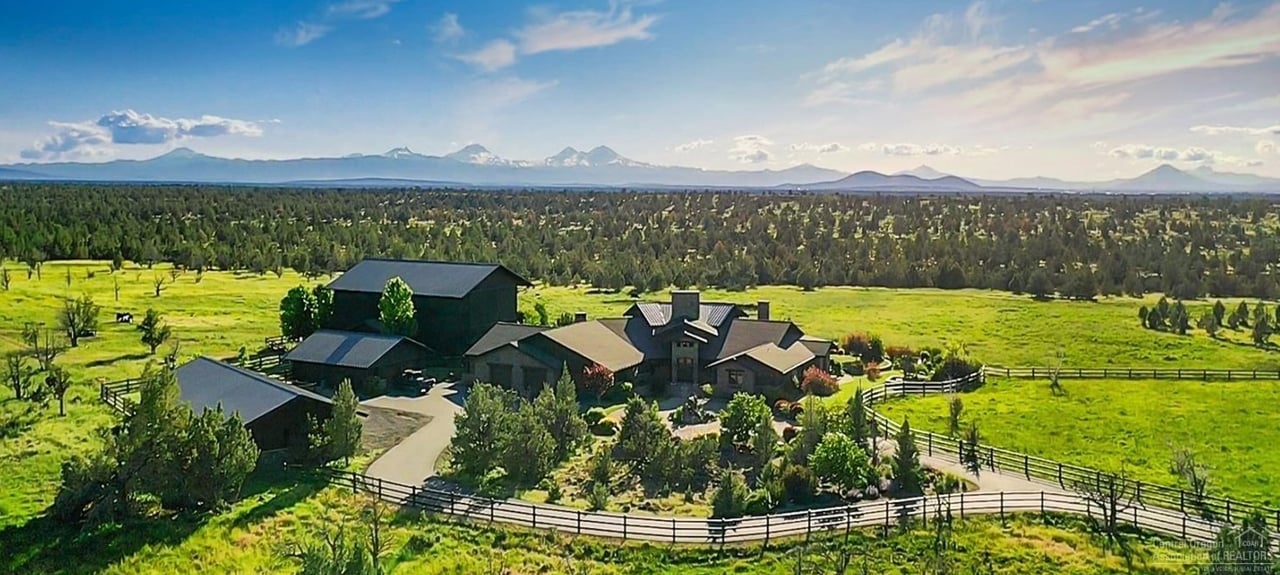
If you are wondering whether Sisters feels like a real hometown or more like a scenic stop on the way to somewhere else, the short answer is this: it feels very much like its own place. For many buyers, that matters. You want more than pretty views. You want a town that fits your daily rhythm, your interests, and the way you actually want to live. This guide will help you understand what it’s like to live in Sisters, from downtown character to outdoor access to the practical tradeoffs that come with a small Central Oregon community. Let’s dive in.
Sisters has a distinct small-town feel
Sisters is a small city in Deschutes County at the foot of the Cascade Mountains, with an estimated 2024 population of 3,738 residents and 1,757 households, according to the City of Sisters demographics page. The city’s median age is 48.22, and median household income is $79,951. In simple terms, Sisters reads more like a true small town than a busy suburban hub.
The city also describes itself as a destination community with western charm and as a gateway to Central Oregon on its community profile. That combination shows up quickly when you spend time there. You get a compact community with a recognizable identity, but you are still connected to the larger Central Oregon region.
If you are moving from a larger metro area, the pace can feel calmer and more personal. If you already live in Central Oregon and want a change from busier corridors, Sisters may feel more grounded and close-knit.
Downtown Sisters feels intentional
One of the first things people notice is that downtown Sisters does not feel random or overly commercial. The city explains on its history page that 1880s-style storefronts became part of the zoning ordinance in the early 1970s. That means the western-style look is not an accident. It was deliberately preserved.
The Downtown Sisters vision and renewal efforts have also focused on streets, sidewalks, pedestrian ways, parks, and public parking so downtown can serve as the city’s commercial and cultural center. For you as a resident, that often translates to a downtown that feels like a place to spend time, not just drive through.
Even with its small size, Sisters offers restaurants, shops, galleries, golf courses, and a movie theater, according to the city’s demographics and community information. So while it is small, it does not feel empty. Daily life can include local errands, coffee, dining, art, and community events without needing a big-city setup.
Arts and events shape local life
Sisters has a stronger arts identity than many buyers expect from a mountain town. The city highlights public art, sculptures, murals, and quilt-themed installations throughout town, including pieces at Fir Street Park, Barclay Park, and City Hall. The city also notes that many artists volunteer in local schools and community events.
That matters because it speaks to the town’s personality. In Sisters, art is not tucked away in one building or treated like an afterthought. It is woven into public spaces and community life.
Annual events also play a major role in how the town feels. The Sisters Rodeo has been running since 1940, and Sisters is also known for the Sisters Outdoor Quilt Show and Sisters Folk Festival, both referenced in local community information and event materials. These are not minor events. They are part of what gives Sisters its rhythm, especially during peak weekends when town gets busier and more energetic.
Outdoor access is part of everyday living
For many people, the biggest draw is how easy it is to get outside. The Deschutes National Forest Sisters-Metolius area includes opportunities for hiking, mountain biking, fishing, picnicking, cross-country skiing, and snowshoeing. The Forest Service also highlights the Pacific Crest Trail in the Three Sisters area and the Whychus Creek Scenic Overlook trailhead.
If outdoor access is a priority for you, Sisters stands out because recreation is not just nearby in a general sense. It is part of local life. You can build your routine around trails, mountain views, river access, and winter activities rather than saving those things for a few big weekends each year.
Fishing is also a real part of the lifestyle here. The Forest Service notes that Gorge Campground on the upper Metolius River offers fishing and hiking, and the Metolius River itself is described as a spring-fed Wild and Scenic River with trail access northwest of Sisters. For buyers who want a town where recreation feels practical and repeatable, this is a meaningful part of the appeal.
Winter is a real season here
If you love snow sports, Sisters offers close access that can make winter feel fun rather than inconvenient. Hoodoo Ski Area is in Sisters and offers activities including night skiing and Nordic skiing. That kind of proximity can make it easier to fit skiing into a normal week instead of treating it like a full travel event.
Of course, four-season living also means adjusting to seasonal conditions. If you are considering a move, it is worth thinking through how winter weather fits your routines, commute preferences, and home-maintenance expectations.
Community involvement is part of the culture
The city presents Sisters as a place with strong civic participation and resident involvement on its community information page. That suggests a community where people tend to care about local planning, events, and the long-term character of the town.
For some buyers, that is a major plus. If you like living somewhere that feels engaged and locally rooted, Sisters may check that box. If you prefer total anonymity and a more detached pace, the town’s close-knit nature may feel different from what you are used to.
Sisters can fit several lifestyles
Based on the city’s profile, amenities, and recreation access, Sisters often appeals to people who want a small-town, outdoors-forward, arts-aware lifestyle. That can include remote workers, retirees, event enthusiasts, and buyers who want easier access to Central Oregon recreation while still living in a community with a defined town center.
The city notes on its demographics page that it offers small-town living with larger-city amenities and a strong social fabric. The same page reports that 45.11 percent of residents have a bachelor’s degree or higher. Those details help paint a picture of a community that may appeal to buyers looking for lifestyle fit as much as square footage.
As always, lifestyle fit is personal. The right move depends on your work patterns, your preferred pace, and how much value you place on access to downtown, trails, arts, and regional travel.
There are practical tradeoffs to know
Like many appealing small towns, Sisters comes with real-world considerations. Tourism is part of the local economy, and the city notes that it supports vibrant tourism opportunities, with large job categories that include retail and accommodation and food service on its demographics page. In everyday terms, that can mean more visitor traffic and livelier weekends than the population alone might suggest.
The city is also actively working on long-term livability issues. Its budget materials describe efforts around affordable and workforce housing, defensible space, building hardening, and dark-sky implementation, as detailed in the city budget document. In 2025, Sisters also became an International Dark Sky Community after adopting updated lighting rules in 2024, according to the same city materials.
For you as a buyer, that points to a town that cares about scenery, environmental quality, and long-range planning. It also means local codes and community standards may be part of your homeownership experience in a more visible way than in some other areas.
Regional access adds flexibility
Sisters sits along US Highway 20 just northwest of Bend, according to the city’s community profile. That location gives you a useful middle ground. You get the feel of a small mountain town, but you are not cut off from the broader Central Oregon market, services, and recreation network.
For some buyers, that balance is exactly the point. You can live in a community with a distinct identity while staying connected to the rest of the region.
So, what is it like to live in Sisters?
In day-to-day life, Sisters feels like a compact mountain town with a clear sense of self. It is shaped by western-style downtown design, local arts, well-known annual events, and unusually easy access to trails, fishing, and skiing. It can be a great fit if you want community character and outdoor lifestyle woven into your normal routine.
The tradeoff is that small-town living comes with visibility, seasonality, and planning considerations. Busy event weekends, tourism, and community standards are part of the package. For the right buyer, though, those are not drawbacks. They are part of what makes Sisters feel special.
If you are thinking about buying or selling in Sisters, working with a local team can help you sort out not just which property fits, but whether the town fits your life. At Ninebark Real Estate, we believe the best move is an informed one, and we are here to help you navigate Sisters with clarity, honesty, and local perspective.
FAQs
What is daily life like in Sisters, Oregon?
- Daily life in Sisters tends to feel small-town, scenic, and community-oriented, with a walkable downtown, local shops and restaurants, arts visibility, and easy access to outdoor recreation.
What outdoor activities are near Sisters, Oregon?
- Near Sisters, you can access hiking, mountain biking, fishing, picnicking, cross-country skiing, snowshoeing, and skiing in the broader Sisters-Metolius area and at Hoodoo Ski Area.
What makes downtown Sisters different from other small towns?
- Downtown Sisters stands out because its western-style storefronts were intentionally preserved through local zoning and planning, giving the area a more cohesive main street feel.
Is Sisters, Oregon a busy tourist town?
- Sisters is a small town, but tourism is part of the local economy, so some weekends and event seasons can feel busier than the population size might suggest.
Who might enjoy living in Sisters, Oregon?
- Sisters may appeal to buyers who want a smaller community with strong outdoor access, visible arts and events, and a lifestyle that feels more connected to local culture and seasonal recreation.