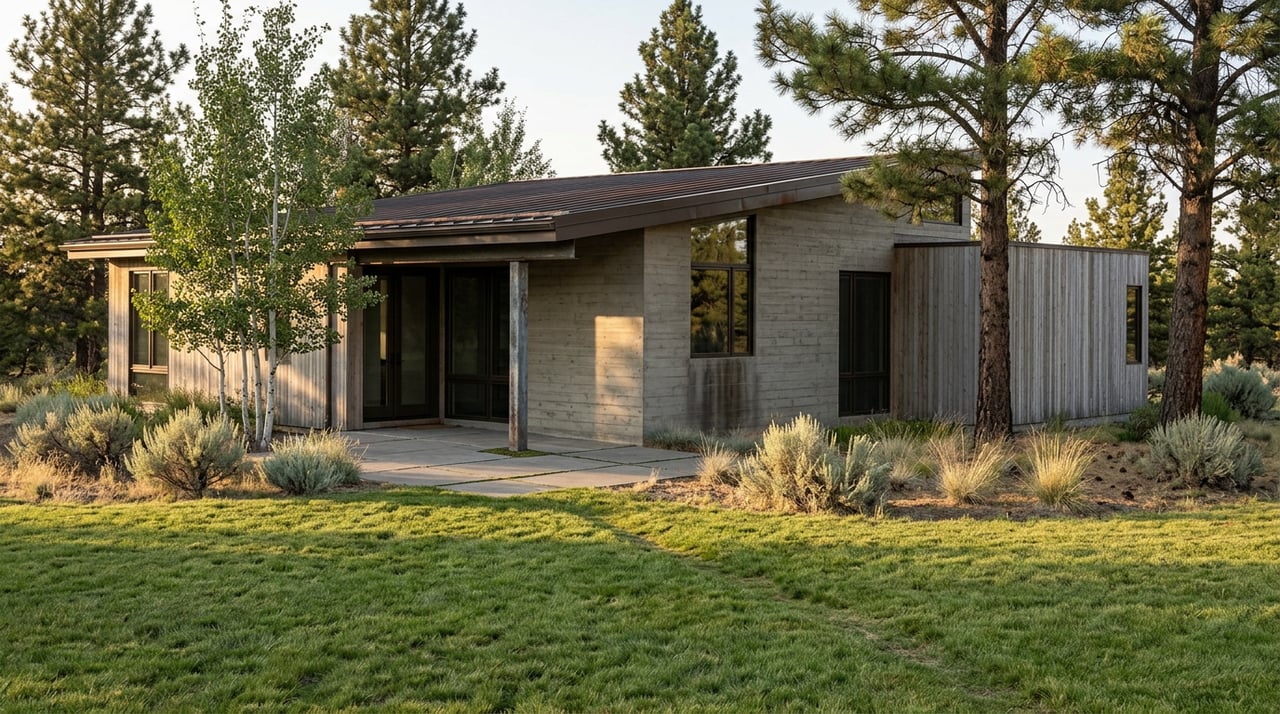
Buying your first home in Bend can feel like a lot all at once. Prices are high, the process has a lot of moving parts, and it is easy to wonder whether you need to have everything figured out before you begin. The good news is that you do not need to know everything on day one. With the right preparation and a clear plan, you can move forward with more confidence and fewer surprises. Let’s dive in.
Start With Your Budget
Before you tour homes or scroll listings late into the night, take time to understand what you can comfortably afford. In Bend, that step matters even more because the market is still relatively expensive. According to Redfin’s Bend housing market data, the median sale price in Bend was $696,950 in February 2026.
Your monthly housing cost is more than just principal and interest. The Consumer Financial Protection Bureau says you should also account for property taxes, homeowner’s insurance, mortgage insurance if applicable, possible HOA fees, and any added insurance needs. On top of that, closing costs typically run about 2% to 5% of the purchase price, separate from your down payment.
A smart first step is to sketch out two numbers: what you could spend and what you would feel comfortable spending. Those are not always the same. Leaving room in your budget can help you handle moving costs, utility setup, and early repairs without feeling stretched.
Check Credit Early
If you want to buy your first home in Bend, your credit should be one of the first things you review. The CFPB recommends checking your credit reports and scores early because lenders use that information to decide loan approval and interest rate. If there is an error on your report, you will want time to address it before you are under contract.
This step also helps you shop for a mortgage with more clarity. The CFPB notes that mortgage shopping within a short window generally will not hurt your score the way many buyers fear. That gives you room to compare lenders and understand your options.
Know Your Down Payment Options
One of the biggest first-time-buyer myths is that you need 20% down. You do not. According to the CFPB’s homebuying guidance, many loans require as little as 3% down, FHA loans can require 3.5% down, and eligible VA buyers may qualify for no down payment.
That said, lower down payment options come with tradeoffs. You may have mortgage insurance, and your long-term borrowing cost may be higher. A lower down payment can still be a good path into homeownership, but it helps to understand the full picture before you choose a loan.
If you are worried about upfront cash, Oregon offers programs that may help. The OHCS Down Payment Assistance program provides eligible first-time and first-generation buyers with help for down payment and closing costs, up to $60,000 or 20% of the purchase price, whichever is less. The same fact sheet also explains that OHCS Flex Lending may help qualifying Oregon buyers with 4% or 5% of the first mortgage amount for down payment and closing costs.
Get Preapproved When You’re Ready
Once your budget is clear and you are serious about shopping, get preapproved. The CFPB explains that a preapproval letter helps show sellers you are a serious buyer, and lenders typically review your income, assets, debts, and credit as part of that process.
Timing matters here. Preapproval letters often expire after 30 to 60 days, so it usually makes sense to get one when you are preparing to actively tour and make offers. It is also a useful checkpoint because it can reveal issues early, before you get emotionally attached to a home.
Understand Bend’s Market Pace
Bend is not a market where every listing disappears overnight, but it is also not a market where you can assume every seller will negotiate heavily. In February 2026, Redfin reported that Bend homes sold after a median of 104 days, homes received 1 offer on average, and the market was somewhat competitive. At the same time, some homes still received multiple offers, and hot homes could go pending in about 12 days.
That mix creates an important first-time-buyer lesson: be patient, but stay ready. Some listings may sit and even see price drops, while well-priced homes in strong condition can still move fast. A calm plan beats a rushed reaction.
Choose Representation Carefully
Buying a home in Oregon now comes with a little more paperwork upfront than some buyers expect. The Oregon Real Estate Agency says that as of January 1, 2025, a broker representing a buyer in a residential transaction of one to four units must enter into a written buyer representation agreement before, or as soon as possible after, helping the buyer.
That agreement should spell out key terms like the contract period, compensation, and whether the relationship is exclusive or nonexclusive. For you, this means it is worth asking direct questions early. You should understand who represents you, what services are included, and how your agent will guide you through the process.
This is where local guidance can really help. A brokerage rooted in Central Oregon can help you understand market pace, contract timing, and property-level details in Bend and the surrounding area without adding unnecessary pressure.
Tour Homes With a Long-Term Lens
When you start touring homes, it is easy to focus on finishes first. Try to zoom out. Think about your daily routine, commute needs, maintenance comfort level, and whether the property fits your life not just today, but a few years from now.
The CFPB recommends working with an agent who knows your price range and preferred areas, while also understanding representation and compensation. That kind of support can help you compare homes more clearly and avoid making a decision based only on first impressions.
Make a Thoughtful Offer
Your first offer does not need to be aggressive to be strong. It needs to be informed. In a mixed market like Bend, offer strategy depends on the home, the pricing, the level of interest, and your own comfort level.
The CFPB advises buyers to make the purchase contract contingent on financing and a satisfactory inspection. Those contingencies help protect you if your loan falls through or if a serious problem comes up during inspections. In a market that is somewhat competitive but not uniformly frantic, waiving key protections may create more risk than benefit for many first-time buyers.
It is also wise to prepare for speed when the right home comes along. Even though many homes take time to sell, desirable listings can still attract quick action. Having your preapproval ready and your decision-making framework in place can keep you from scrambling.
Treat Inspection as Protection
A home inspection is not a box to check. It is one of your best protection tools. The CFPB recommends scheduling an independent inspection as soon as possible after you choose a home, attending if you can, and using the results to decide whether to move forward, negotiate repairs, or cancel if your contract allows.
In Oregon, disclosure documents are also part of the picture. The Oregon Real Estate Agency’s record-keeping guidance identifies seller disclosure statements, inspection reports, and title reports as core transaction documents. For a first-time buyer, the key is to review these items together, not in isolation.
Watch Insurance and Local Risk Factors
Before you commit to a home, get a sense of insurance cost and availability. The CFPB notes that buyers should consider an informal insurance estimate before buying, especially in areas where risk can affect pricing or availability.
In the Bend area, wildfire risk is one local factor to keep on your checklist. Deschutes County’s FireFree program offers resources for reducing wildfire risk and creating defensible space. The county also notes new fire-hardening requirements for new dwellings and accessory structures in unincorporated Deschutes County starting April 1, 2026, which can be an important due diligence point if you are looking outside Bend city limits or considering new construction.
Build a Simple First-Time Buyer Plan
If the process feels overwhelming, keep it simple. A clear sequence can make the whole experience more manageable.
Your Bend homebuying checklist
- Check your credit reports and scores.
- Set a realistic monthly budget.
- Estimate your cash needed for down payment, closing costs, and reserves.
- Explore loan options and Oregon assistance programs.
- Get preapproved when you are ready to shop seriously.
- Review your buyer representation agreement carefully.
- Tour homes with your long-term needs in mind.
- Make offers with smart protections in place.
- Review disclosures, inspection results, and insurance estimates closely.
- Prepare for closing costs, moving expenses, and early home repairs.
A Steady Approach Wins
Your first home in Bend does not have to be perfect to be a smart next step. What matters most is that the home fits your budget, supports your day-to-day life, and gives you confidence in the decision. In a market like Bend, that usually means balancing patience with readiness and excitement with due diligence.
If you want a calm, local guide through the process, Ninebark Real Estate is here to help you plant solid roots in Central Oregon with clear communication, practical advice, and steady support from search to closing.
FAQs
Do first-time buyers in Bend need 20% down?
- No. The CFPB says many loans require as little as 3% down, FHA loans can require 3.5% down, and eligible VA buyers may qualify for no down payment.
How much cash should first-time buyers in Bend keep beyond the down payment?
- The CFPB says closing costs usually run about 2% to 5% of the purchase price, and you should also keep money aside for moving, utility setup, and early home expenses.
How competitive is the Bend housing market for first-time buyers?
- Bend is somewhat competitive. Redfin reported a median of 104 days on market in February 2026, 1 offer on average, and noted that some homes still receive multiple offers.
Should first-time buyers waive the home inspection in Bend?
- In many cases, no. The CFPB recommends inspection and financing contingencies so you have protection if major issues come up or your financing changes.
What buyer paperwork should Oregon first-time buyers expect?
- Oregon requires a written buyer representation agreement before, or as soon as possible after, a broker assists a buyer in a residential transaction of one to four units.
Are there Oregon down payment assistance programs for first-time buyers in Bend?
- Yes. OHCS offers assistance programs for qualifying buyers, including help with down payment and closing costs, subject to program eligibility and education requirements.
How long can it take to buy a first home in Bend?
- It varies. Bend homes had a median of 104 days on market in February 2026, but hot homes could go pending in about 12 days, so your search may take time even though the right listing may require fast action.
What local due diligence matters for homes near Bend and Deschutes County?
- Along with standard inspections and disclosures, it is wise to check insurance availability and ask about wildfire-related considerations, especially for homes outside Bend city limits or in unincorporated Deschutes County.